Connect with us

Opinion

Sisi sote ni “suitcase” Balaalo!

Birondwa Frank

Published

on

We’re all “suitcase” Balaalo - article by Birondwa Frank

Waganda wanaweza kuongea Kiingereza kingi, lakini jikuna kidogo na utaona kwamba hatufikirii, hatutendei, au kutekeleza kama Waingereza. Kwa hivyo tuna watu walionaswa katika uigaji huu wa pande moja wa Wazungu ambao huacha kuzungumza lugha. Hii ina athari ya kuunda watu wa dystopian ambao ni hatari kwa jamii yao ya Kiafrika. Waliosoma lakini hawawezi kutengeneza chochote, wanasoma lakini hawajui ni nini kinachofanya kazi, na hatimaye kutulia kwenye ufisadi wa zamani – mzunguko wa maisha wa Mwingereza asiye na akili anayemwiga Mwafrika.

Chukua hotuba hizo maridadi za Kiingereza kuhusu “Balaalo” katika Acholiland, kwa mfano. Ingawa ukweli ni kwamba Waganda wanahama kila siku kila siku kwenda na kutoka pembe zote za nchi na kukaa kwa uhuru katika sehemu yoyote ya nchi, mjadala juu ya kile ambacho kimsingi ni uhamiaji wa ndani wa Waganda, sasa ni janga la ghafla la Shakespearean.

Mara nyingi nimekuwa nikisema kwamba ni hatua ya lazima kuwafanya wabunge wazungumzie masuala kwa lugha zao za mama. Hii ingewarahisishia kugundua hoja zao za kipuuzi, kwa sababu kuna uwezekano wangekuwa wamezungukwa na watu wasio wa eneo lao. Kujadili masuala ya ndani kwa Kiingereza kama Mwafrika kunapoteza muktadha mwingi.

Masimulizi ya “Balaalo Must Go” ambayo yanaingizwa kwa nguvu katika akili ya jamii, yametoka moja kwa moja kwenye kitabu cha michezo cha kifashisti na yanastahili upinzani mzuri wa zamani wa NRA.

Kwanza, neno “Balaalo” lenyewe ni punguzo ambalo mara nyingi limetumika kutusi; si sawa na “Balunzi”. Na bado inaonyeshwa kama njia halali ya kuelezea maisha ya kijamii na kiuchumi ya wafugaji wa Banyankole na Banyarwanda. Kinyume chake, ikiwa ungeanza kuwaita watu “Abalimi” bungeni kwa sababu tu wanalima viazi vitamu, mihogo na maharagwe kwa ajili ya kujipatia riziki – itakuwa ni jambo la kuudhi. Kwa hivyo katika kesi hii, Waganda walioelimika wanaona ni sawa kuleta swipe za kitamaduni kwenye jukwaa la kitaifa.

Pili, chukua likizo hii ya Krismasi ambayo tuko kama mfano. Utagundua kuwa huu ni wakati wa Waganda kuhama kwa wingi ndani. Raia wa Uganda kwa asili wanashiriki katika zoezi kubwa la uhamiaji mijini-vijijini nyakati hizi, na kugeuza miji kuwa miji duni. Wanatoka wapi? Ni nini husababisha harakati hii ya watu wengi? Je, hii ni kipengele cha muda au cha kudumu cha muundo wa jamii ya Uganda?

Harakati hizi za misimu za watu zingeweza kutoa mtazamo kwa asili, kiwango na tabia ya uhamiaji wa ndani ambao Waganda kawaida hufanya. Lakini watu wetu wanaoiga Kiingereza wanaoona mambo kana kwamba wao ni London School of Economics, wataacha maelezo haya madogo nje ya mjadala. Unafanya nini katika mahakama, bunge, watendaji na kwingineko kama huwezi kuleta muktadha wa matatizo ya msingi ya jamii?

Kwa hivyo nadhani suala la anayeitwa Balaalo kuhamia sehemu yoyote ya Uganda au Afrika Mashariki, limefafanuliwa vibaya, limepotoshwa.

Tofauti kati ya uhamiaji wa vijijini hadi mijini wakati wa msimu wa Krismasi na  watu walio na masanduku ya kifahari na wanaohamaki kidogo, na uhamaji wa “Balaalo” ni kwamba Balaalo huhama na ng’ombe wao, lakini vinginevyo inatokana na sababu ile ile ya msingi – kuhamahama kiuchumi. Balaalo ni wachungaji wa wanyama, na kutafuta malisho ya kijani kwa wanyama wao ni sehemu ya mzunguko wao wa maisha ya kijamii na kiuchumi.

Iwapo kwenda umbali wa maili nyingi kutoka mahali ulipozaliwa na mkoba ili kutafuta kazi, kuanzisha biashara, kutembelea familia, n.k.  hakukufanyi uwe “Balaalo,” lakini kutembea na wanyama kunafanya, basi umeelewa vibaya muundo mkuu wa jamii yako.

Kyagulanyi Sentamu, kijana wa NUP kutoka Ghetto, hivi majuzi alizungumza kuhusu “abatunuza amannyo” (wale wanaotazama kwa meno)  katika vitriol yake ya Luwero.

Haya ni majaribio ya wazi ya hisia za kikabila za kisiasa, zisizo na masuluhisho ya kina ya kiitikadi na moyo wa Pan African.

Kwa hivyo wakati mwingine mtu atakaporusha “Balaalo” kama tusi la kisiasa, wakumbushe: wao ni koti tu Balaalo wenyewe. Anza kuthamini mfumo wa ikolojia changamano unaoweka nchi hii ya ajabu na ya ajabu.

Lakini muhimu zaidi, wacha tuachane na vitriol ya kikabila na tusome mpango halisi. Wafugaji wa ng’ombe, wakulima, na ardhi yenyewe – wamekuwa wakicheza tango kwa karne nyingi, na kuunda mfumo wa ikolojia wa uzalishaji wa chakula ambao ni wivu wa eneo hilo.

Je, waigaji hawa wa Kiingereza wamewahi kusoma jinsi mkoa wa Ankole ulivyopita eneo la Buganda katika utengenezaji wa Matooke, bidhaa kuu ya Buganda? Sijaona karatasi zao jinsi wakulima ambao hawajawahi kutumia mbolea yoyote wanaendelea kupata mavuno mengi kutoka kwa ardhi yao? Wale wanaojipatia riziki kwa kulima – “Abalimi”, ni wazi wanapendelea ardhi ambayo imekuwa ikipandwa na ng’ombe, kwa sababu ina rutuba nyingi, na ardhi iliyokanyagwa na ng’ombe inaweza kulimwa zaidi kuliko kichaka cha mwitu. Ni vigumu zaidi kwa wakulima kufungua kichaka ambacho hakijawahi kulimwa, kuwa bustani ya chakula. Kwa hivyo mfumo wa ikolojia umekuwa pale ambapo balaalo huhama, wakulima hufuata, na kilimo cha kina hufuata.

Kwa hivyo kama Acholiland inataka kukuza kilimo, wanapaswa kuwakaribisha Balaalo kwa mikono miwili (na mashamba tupu). Wataendelea hatimaye, kwa kufuata mdundo wa zamani wa nchi ambao haujatamkwa. Badala ya kupoteza muda na Kiingereza dhahania na hasira za uwongo, wacha tuzame katika hadithi halisi ya eneo hili. Wacha tutunge sheria zinazokuza mfumo huu wa ikolojia.

Na kwa maelezo hayo, uwe na uhamiaji salama na Krismasi Njema, ninyi kundi la wahamaji wa koti!

Translations / Tafsiri / Enkyusa/ Ibisobanuro/ Enzivuunula

Loading

Opinion

Direct Democracy as a Trojan Horse for Imperialism

Birondwa Frank

Published

on

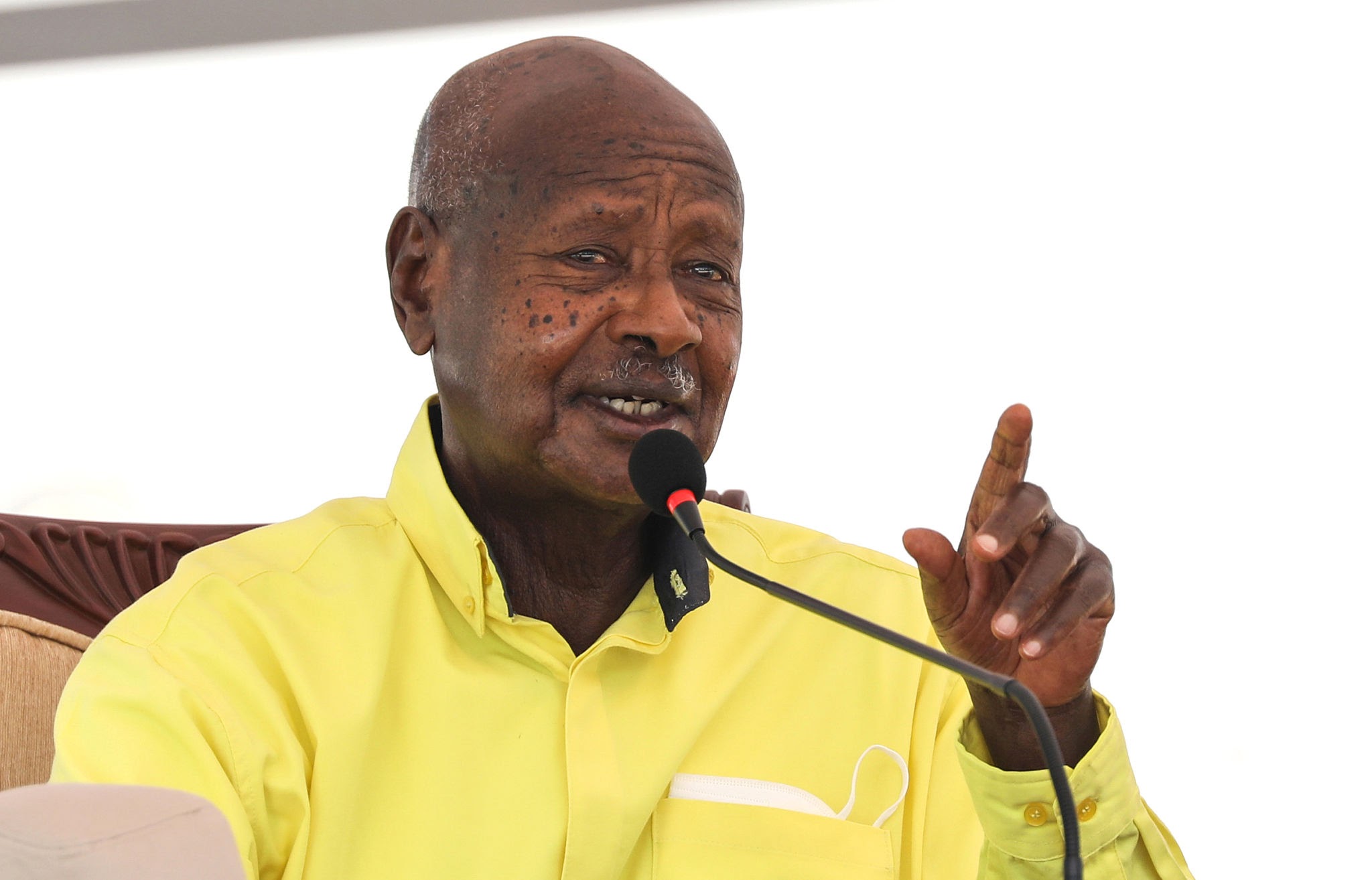
Yoweri Museveni Tibuhaburwa Kaguta (Photo by Hajarah Nalwadda/Getty Images)

When Plato and the Enlightenment philosophers sat down to map out the ideal Republic, they came face to face with a problem: the “uninformed mass.” They idea that a raw headcount of masses as a governance strategy quicly became a means for the rise of leaders with “talents for low intrigue” who can play a crowd like a fiddle while leading them off a cliff. I’m thinking of this in the context of our Elections in Uganda but also relevant to recent ones in Tanzania, Kenya, etc.

We consider the United States the world’s leading democracy, yet in that country “masses” do not elect the President. They never have since the founding of the states. They masses simply elect “Electors”—an elite intermediary designed to filter out impulsive, populist madness while staying on course with national interests. The U.S. is not a direct democracy; it is a carefully crafted elite representative republic.

If you were to take the raw, unfiltered direct elections currently practiced in Uganda and transplant them into the United States tomorrow, the superpower would collapse in a single election cycle. The “mob” would bypass the institutions, and the delicate balance of the union would shatter. No questions about it.

So if the West cannot fathom the idea of a raw headcount that you’re voting a president, why do they export it, often at the cost of war, to former colonies of imperial powers. Because they know that without intermediaries, elections become a psychological war. Direct Presidential Elections are not the “best” way to govern, but they are the easiest method to destabilize a nation. Masses oblivious of the interests and forcesthey come with in a country, add foreigh funds through comprador politicians

In the African context, this is exacerbated by the “ethnic pulse.” When you have a raw headcount in a society where people naturally gravitate toward their “own,” you aren’t electing a leader; you are conducting a census of which tribe is the largest. By forcing a Presidential system—a winner-take-all prize—on former colonies, the West essentially weaponized ethnicity. It is a system that invites secessionism as a political tool because, in a raw headcount, the minority is not just outvoted; they are erased.

Uganda: From Good to Great, or Back to Warlords?

Change and Time are two sides of the same coin. For 40 years, Uganda has moved from the chaos of any “interested warlord” seizing power to a qualitative baseline of stability. But we are at a crossroads. Meaningful change must move from “good” to “great,” not backward to the era where the economy and the suffrage of citizens were run down by the whims of a strongman.

We cannot afford to be “wishful thinkers” dreaming of a Uganda that never existed. We must deal with the one that exists now.

The Missing Ingredient: Where are the Makers?

The ultimate tragedy of this political toy-playing is our economic stagnation. History doesn’t side with the dreamers; it sides with the builders.

  • Why are the Ugandan rich merely traders in foreign goods?

  • Why have our elites become “middlemen” for the world instead of owners of factories?

  • Where did the knowledge of manufacturing go?

While we bicker over a flawed Presidential system designed to keep us in a cycle of “low intrigue,” we have forgotten how to build. We are practicing the politics of the 18th century while failing the economics of the 21st. It is time we stop toying with the “raw headcount” and start designing a qualitative state that values knowledge over noise.

Comprador politicians are local political figures or elites who act as intermediaries for foreign economic or political interests, benefiting personally by facilitating foreign capital and policies that often serve imperial or neo-colonial powers

Loading

Continue Reading

Opinion

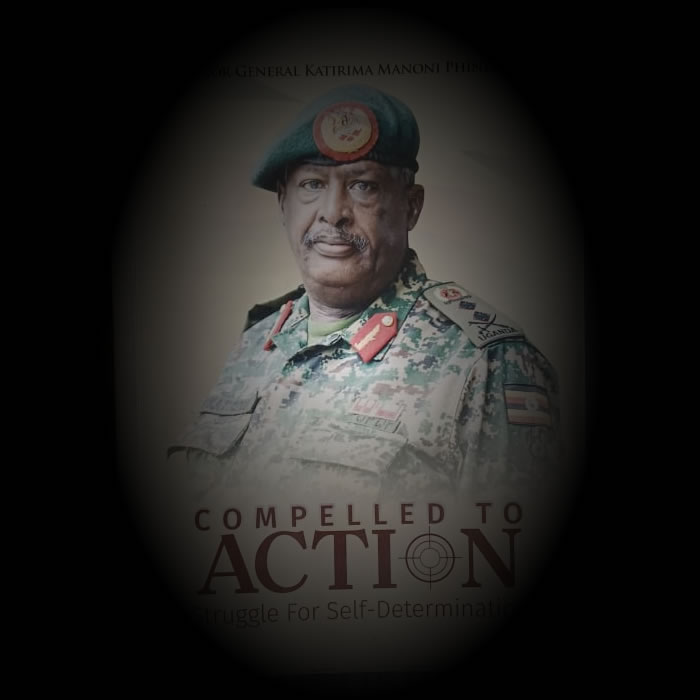
Book Review: Compelled to Action: Struggle for Self-Determination by Maj. Gen. Katirima Manoni Phinehas

Birondwa Frank

Published

on

COMPELLED TO ACTION Struggle For Self-Determination, Authored by Maj. Gen

Compelled to Action

Major General Katirima Manoni Phinehas’s Compelled to Action is not a typical war memoir. It is a disciplined strategic account of one of post-colonial Africa’s few successful revolutions, told from the inside by a key architect. Dispelling any notion of romantic idealism, it presents the Ugandan bush war as a necessary, rationally organized response to a failed state, offering a masterclass in the mechanics of liberation.

The Revolutionary’s “Class Suicide”
The book’s central, powerful idea is “class suicide.” Katirima frames the decision of educated elites to abandon the path to bourgeois comfort for the uncertainty of guerrilla warfare as a deliberate, radical rupture. His heart “beating like a machine gun” symbolizes this visceral clash between intellectual training and the raw reality of armed struggle. This was not a reckless leap, but a compelled action—a rational response by students and professionals to blocked political participation, economic exclusion, and systemic state collapse. The revolution’s potency stemmed from this fusion of peasant grievance with intellectual and working-class discipline.

Discipline as a Template for Success
The memoir’s core value is its forensic focus on revolutionary organization. Katirima traces the FRONASA–UPM–PRA–NRA continuum not as a triumphalist march, but as a deliberate learning process. He underscores the pillars that distinguished this struggle:

  • Ideological Coherence: Grounding action in a clear political programme (e.g., the Ten-Point Programme).

  • Political Education: Building shared purpose across class lines to manage internal contradictions.

  • Rural Mobilization: Earning legitimacy and building power from the ground up, not from foreign capitals.
    This emphasis on internal agency and strategic discipline provides a critical blueprint, contrasting sharply with the many African liberation movements that failed after victory.

An Honest Anatomy of Struggle
Katirima’s narrative is notable for its sober honesty. He avoids triumphalism, acknowledging the costs, fears, and miscalculations inherent in guerrilla warfare. He does not obscure the tensions within the revolutionary coalition but shows how a shared political purpose was used to manage them. This grounded approach strengthens the book’s credibility as a serious political document, not just a personal story.

Pan-African Significance
From a continental perspective, the book functions as a pivotal case study. The NRA/NRM’s success in seizing and consolidating state power stands as a rare exception in post-colonial Africa. Katirima’s account implicitly asks a profound follow-up question: Why have so few revolutionary movements achieved this, and why do even successful ones struggle with lasting transformation? It moves beyond nostalgia to offer an instructive, clear-eyed examination of the prerequisites for—and the enduring challenges of—genuine self-determination.

The Strategic Core of a Revolution
Compelled to Action is an essential and compelling read. Its accessible prose and strategic clarity make it indispensable for anyone seeking to understand not just Uganda’s history, but the practical mechanics of revolutionary change. Katirima provides the critical link between the why of rebellion (compulsion, “class suicide”) and the how of its success (discipline, ideology, organization). For students of African politics, military strategy, or liberation theory, this book is a foundational text—instructive, intellectually grounding, and sharply relevant.

Loading

Continue Reading

Trending

pendik escort kartal escort beylikduzu escort şirinevler escort