Connect with us

Opinion

Ffenna tuli “kkeesi” Balaalo!

Birondwa Frank

Published

on

We’re all “suitcase” Balaalo - article by Birondwa Frank

Bannayuganda basobola okwogera Olungereza nnyo, naye kwata ku ngulu katono ojja kwesanga nga ffe tetulowooza, tetweyisa, oba okukola ng’Abangereza. Kale tulina abantu abasibye mu kukoppa kuno okw’ekitundu ekimu okw’Abazungu okukoma ku kwogera olulimi. Kino kirina effect y’okutondawo abantu ssekinnoomu aba dystopia abali mu bulabe eri embeera zaabwe ez’Afirika. Yasoma naye nga tasobola kukola kintu kyonna, asoma naye nga tomanyi kikola, era okukkakkana ng’asenze ku nguzi ennungi enkadde – obulamu bw’Olungereza ow’ekika kya dystopian ng’akoppa Omufirika.

Twala okwogera okwo okw’Olungereza okw’omulembe ku “Balaalo” mu Acholiland, okugeza. Wadde nga ekituufu kiri nti mu butuufu Bannayuganda batambula buli lunaku nga bagenda n’okuva mu nsonda zonna ez’eggwanga ne basenga mu ddembe mu kitundu kyonna eky’eggwanga, okukubaganya ebirowoozo ku kiki mu bukulu kwe kusenguka kwa Bannayuganda munda mu ggwanga, kati kikangabwa kya Shakespeare mu bwangu.

Nze ntera okugamba nti kyetaagisa okufuula ababaka okwogera ku nsonga mu nnimi zaabwe enzaalwa. Kino kyandibannyanguyizza okuzuula ensonga zaabwe ez’obusiru, kubanga kirabika bandibadde beetooloddwa abantu abatava mu kitundu kyabwe. Okukubaganya ebirowoozo ku nsonga z’ekitundu mu Lungereza ng’Omufirika kifiirwa ensonga nnyingi nnyo.

Ennyonnyola ya “Balaalo Must Go” ewalirizibwa okuliisibwa mu bwongo bw’abantu, evudde butereevu mu kitabo ky’okuzannya ekya fascist era esaana okuziyiza okulungi okukadde mu ngeri ya NRA.

Ekisooka, ekigambo “Balaalo” kyennyini kikendeeza ekibadde kitera okukozesebwa okuvuma; si kye kimu ne “Balunzi”. Era naye kigenda kulagibwa ng’engeri entuufu ey’okunnyonnyola obulamu bw’embeera z’abantu n’ebyenfuna by’abalunzi b’ente aba Banyankole ne Banyarwanda. Okwawukana ku ekyo, singa otandika okuyita abantu “Abalimi” mu palamenti olw’okuba nti balima muwogo, lumonde, n’ebinyeebwa okweyimirizaawo —kyandibadde kinyiiza. Kale mu mbeera eno entongole, Bannayuganda abasomye balaba nga si kibi okuleeta eby’obuwangwa ku siteegi y’eggwanga.

Ekirala, twala ennaku enkulu eno eya Ssekukkulu gye tulimu ng’ekyokulabirako. Ojja kwesanga nga kino kiseera Bannayuganda okusenguka mu bungi munda mu ggwanga. Bannayuganda mu butonde beetaba mu dduyiro omunene ow’okusenguka mu bibuga okudda mu byalo mu biseera bino, ne bafuula ebibuga ebibuga eby’emizimu. Bava wa? Kiki ekivaako ekibiina kino eky’abantu abangi? Kino kya kaseera buseera oba kya lubeerera mu nsengeka y’embeera z’abantu mu Uganda?

Entambula z’abantu zino eza sizoni zandiwadde endowooza ku butonde, obunene n’empisa z’okusenguka okw’omunda Bannayuganda kwe batera okukola. Naye abantu baffe ab’Olungereza abakoppa abalaba ebintu nga bwe bali London School of Economics, bajja kuleka akatono kano akatono okuva mu kukubaganya ebirowoozo. Kiki ky’okola mu kitongole ekiramuzi, mu palamenti, mu kitongole ekifuzi n’awalala bw’oba ​​tosobola kuleeta mbeera ku bizibu by’abantu ebisookerwako?

Kale ndowooza ensonga y’abayitibwa Balaalo okusenguka mu kitundu kyonna ekya Uganda oba East Africa, ebadde enyonyoddwa bubi, ebadde enyonyolwa bubi

Enjawulo wakati w’okusenguka okuva mu byalo okudda mu bibuga mu sizoni ya Ssekukkulu abantu abalina ensawo ezisingako obulungi n’okusenguka okutono, n’okusenguka kwa “Balaalo” kwe kuba nti Balaalo batambula n’ente zaabwe, naye bwe kitaba ekyo kiva ku nsonga y’emu enkulu – okutambulatambula mu by’enfuna. Balaalo basumba ba bisolo, era okunoonya amalundiro agasinga okuba aga kiragala eri ebisolo byabwe kitundu ku bulamu bwabwe obw’embeera z’abantu n’ebyenfuna.

Bwe kiba nti okugenda mayiro okuva mu kifo w’ozaalibwa n’ensawo okunoonya omulimu, okutandikawo bizinensi, okukyalira amaka, n’ebirala tekikufuula “Balaalo,” naye okusenguka n’ebisolo kikufuula, olwo oba otegedde bubi superstructure y’ekibiina kyo.

Kyagulanyi Sentamu, ggaayi wa NUP okuva mu Ghetto, gyebuvuddeko yayogera ku “abatunuza amannyo” (abo abatunula n’amannyo) mu vitriol ye ey’e Luwero.

Bino byeyoleka bulungi ku kugezaako ku ndowooza z’ebika by’ebyobufuzi, nga tebirina bigonjoola bizibu bya ndowooza n’omwoyo gwa Pan African.

Kale omulundi oguddako omuntu bw’asuula “Balaalo” ng’avuma ebyobufuzi, mujjukize nti: ba kkeesi Balaalo bennyini bennyini. Tandika okusiima enkola y’obutonde enzibu ekuuma ensi eno ey’eddaalu, ey’ekitalo ng’ewunya.

Naye ekisinga obukulu, ka tugobe tribal vitriol tusome ddiiru entuufu. Abalunzi b’ente, abalimi, n’ettaka lyenyini – babadde bazina tango okumala ebyasa bingi, ne bakola enkola y’okufulumya emmere nga y’obuggya bw’ekitundu kino.

Bano abakoppa Abazungu basomyeko ku ngeri ekitundu kya Ankole gye kyayitamu ekitundu kya Buganda mu kukola Matooke, eky’okulya kya Buganda? Sirabye mpapula zaabwe ku ngeri abalimi abatakozesangako kigimusa kyonna gye bakyagenda mu maaso n’okufuna amakungula ga bumper okuva ku ttaka lyabwe? Abo abeeyimirizaawo nga balima – “Abalimi”, kya lwatu bettanira ettaka eririmibwako ente, kubanga ligimu nnyo, era ettaka eririnnyiddwa ente lirimibwa nnyo okusinga ekisaka eky’omu nsiko. Kizibu nnyo abalimi okuggulawo ekisaka ekitalimibwangako, mu nsuku z’emmere. Kale ensengekera y’obutonde ebadde nti balaalo we zisenguka, abalimi bagoberera, era okulima okw’amaanyi kwe kugoberera.

Kale Acholiland bw’eba eyagala okutumbula okulima, basaana okwaniriza Balaalo n’emikono emiggule (n’ennimiro ekyerere). Balaalo bajja kugenda mu maaso okukkakkana nga bagoberera ennyimba z’ensi ez’edda, ezitayogerwa. Mu kifo ky’okumala obudde n’Olungereza olw’omulembe n’obusungu obw’ekicupuli, katutunuulire emboozi entuufu ey’ekitundu kino. Ka tukole amateeka agakuza enkola eno ey’obutonde.

Era ku note eyo, mubeere n’okusenguka okutali kwa bulabe ne Ssekukkulu ennungi, mmwe ekibinja ky’alaalo ekitambula ne kkeesi!

Translations / Tafsiri / Enkyusa/ Ibisobanuro/ Enzivuunula

Loading

Opinion

Direct Democracy as a Trojan Horse for Imperialism

Birondwa Frank

Published

on

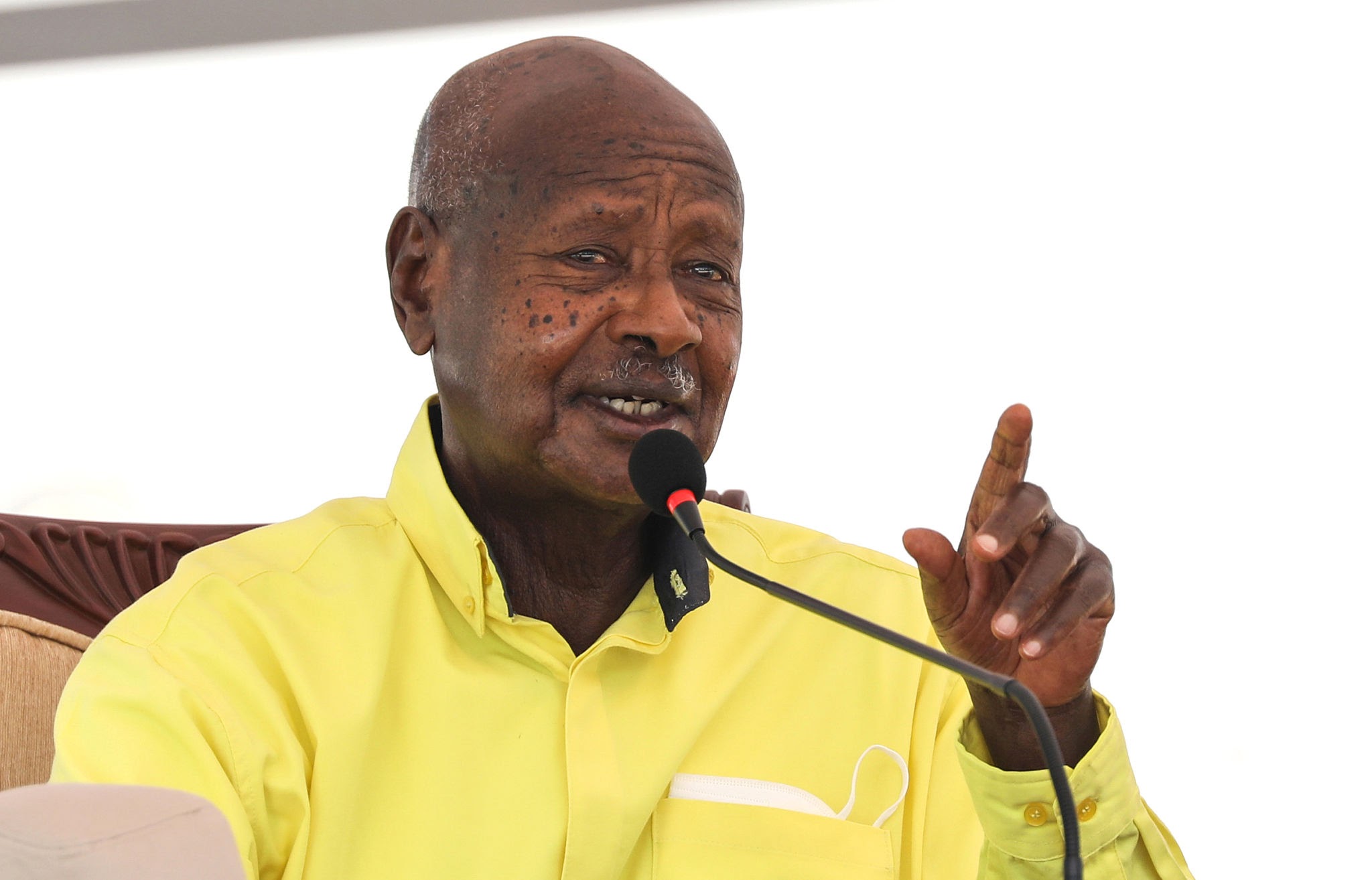
Yoweri Museveni Tibuhaburwa Kaguta (Photo by Hajarah Nalwadda/Getty Images)

When Plato and the Enlightenment philosophers sat down to map out the ideal Republic, they came face to face with a problem: the “uninformed mass.” They idea that a raw headcount of masses as a governance strategy quicly became a means for the rise of leaders with “talents for low intrigue” who can play a crowd like a fiddle while leading them off a cliff. I’m thinking of this in the context of our Elections in Uganda but also relevant to recent ones in Tanzania, Kenya, etc.

We consider the United States the world’s leading democracy, yet in that country “masses” do not elect the President. They never have since the founding of the states. They masses simply elect “Electors”—an elite intermediary designed to filter out impulsive, populist madness while staying on course with national interests. The U.S. is not a direct democracy; it is a carefully crafted elite representative republic.

If you were to take the raw, unfiltered direct elections currently practiced in Uganda and transplant them into the United States tomorrow, the superpower would collapse in a single election cycle. The “mob” would bypass the institutions, and the delicate balance of the union would shatter. No questions about it.

So if the West cannot fathom the idea of a raw headcount that you’re voting a president, why do they export it, often at the cost of war, to former colonies of imperial powers. Because they know that without intermediaries, elections become a psychological war. Direct Presidential Elections are not the “best” way to govern, but they are the easiest method to destabilize a nation. Masses oblivious of the interests and forcesthey come with in a country, add foreigh funds through comprador politicians

In the African context, this is exacerbated by the “ethnic pulse.” When you have a raw headcount in a society where people naturally gravitate toward their “own,” you aren’t electing a leader; you are conducting a census of which tribe is the largest. By forcing a Presidential system—a winner-take-all prize—on former colonies, the West essentially weaponized ethnicity. It is a system that invites secessionism as a political tool because, in a raw headcount, the minority is not just outvoted; they are erased.

Uganda: From Good to Great, or Back to Warlords?

Change and Time are two sides of the same coin. For 40 years, Uganda has moved from the chaos of any “interested warlord” seizing power to a qualitative baseline of stability. But we are at a crossroads. Meaningful change must move from “good” to “great,” not backward to the era where the economy and the suffrage of citizens were run down by the whims of a strongman.

We cannot afford to be “wishful thinkers” dreaming of a Uganda that never existed. We must deal with the one that exists now.

The Missing Ingredient: Where are the Makers?

The ultimate tragedy of this political toy-playing is our economic stagnation. History doesn’t side with the dreamers; it sides with the builders.

  • Why are the Ugandan rich merely traders in foreign goods?

  • Why have our elites become “middlemen” for the world instead of owners of factories?

  • Where did the knowledge of manufacturing go?

While we bicker over a flawed Presidential system designed to keep us in a cycle of “low intrigue,” we have forgotten how to build. We are practicing the politics of the 18th century while failing the economics of the 21st. It is time we stop toying with the “raw headcount” and start designing a qualitative state that values knowledge over noise.

Comprador politicians are local political figures or elites who act as intermediaries for foreign economic or political interests, benefiting personally by facilitating foreign capital and policies that often serve imperial or neo-colonial powers

Loading

Continue Reading

Opinion

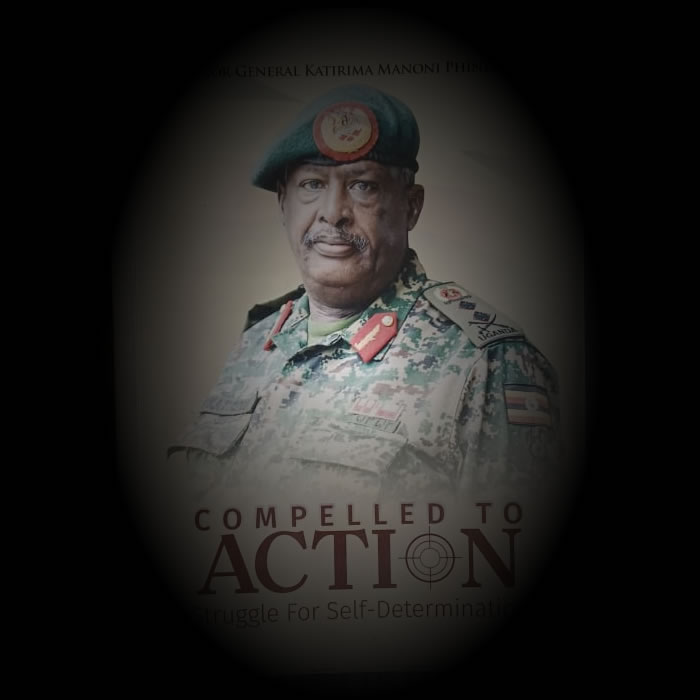
Book Review: Compelled to Action: Struggle for Self-Determination by Maj. Gen. Katirima Manoni Phinehas

Birondwa Frank

Published

on

COMPELLED TO ACTION Struggle For Self-Determination, Authored by Maj. Gen

Compelled to Action

Major General Katirima Manoni Phinehas’s Compelled to Action is not a typical war memoir. It is a disciplined strategic account of one of post-colonial Africa’s few successful revolutions, told from the inside by a key architect. Dispelling any notion of romantic idealism, it presents the Ugandan bush war as a necessary, rationally organized response to a failed state, offering a masterclass in the mechanics of liberation.

The Revolutionary’s “Class Suicide”
The book’s central, powerful idea is “class suicide.” Katirima frames the decision of educated elites to abandon the path to bourgeois comfort for the uncertainty of guerrilla warfare as a deliberate, radical rupture. His heart “beating like a machine gun” symbolizes this visceral clash between intellectual training and the raw reality of armed struggle. This was not a reckless leap, but a compelled action—a rational response by students and professionals to blocked political participation, economic exclusion, and systemic state collapse. The revolution’s potency stemmed from this fusion of peasant grievance with intellectual and working-class discipline.

Discipline as a Template for Success
The memoir’s core value is its forensic focus on revolutionary organization. Katirima traces the FRONASA–UPM–PRA–NRA continuum not as a triumphalist march, but as a deliberate learning process. He underscores the pillars that distinguished this struggle:

  • Ideological Coherence: Grounding action in a clear political programme (e.g., the Ten-Point Programme).

  • Political Education: Building shared purpose across class lines to manage internal contradictions.

  • Rural Mobilization: Earning legitimacy and building power from the ground up, not from foreign capitals.
    This emphasis on internal agency and strategic discipline provides a critical blueprint, contrasting sharply with the many African liberation movements that failed after victory.

An Honest Anatomy of Struggle
Katirima’s narrative is notable for its sober honesty. He avoids triumphalism, acknowledging the costs, fears, and miscalculations inherent in guerrilla warfare. He does not obscure the tensions within the revolutionary coalition but shows how a shared political purpose was used to manage them. This grounded approach strengthens the book’s credibility as a serious political document, not just a personal story.

Pan-African Significance
From a continental perspective, the book functions as a pivotal case study. The NRA/NRM’s success in seizing and consolidating state power stands as a rare exception in post-colonial Africa. Katirima’s account implicitly asks a profound follow-up question: Why have so few revolutionary movements achieved this, and why do even successful ones struggle with lasting transformation? It moves beyond nostalgia to offer an instructive, clear-eyed examination of the prerequisites for—and the enduring challenges of—genuine self-determination.

The Strategic Core of a Revolution
Compelled to Action is an essential and compelling read. Its accessible prose and strategic clarity make it indispensable for anyone seeking to understand not just Uganda’s history, but the practical mechanics of revolutionary change. Katirima provides the critical link between the why of rebellion (compulsion, “class suicide”) and the how of its success (discipline, ideology, organization). For students of African politics, military strategy, or liberation theory, this book is a foundational text—instructive, intellectually grounding, and sharply relevant.

Loading

Continue Reading

Trending

pendik escort kartal escort beylikduzu escort şirinevler escort